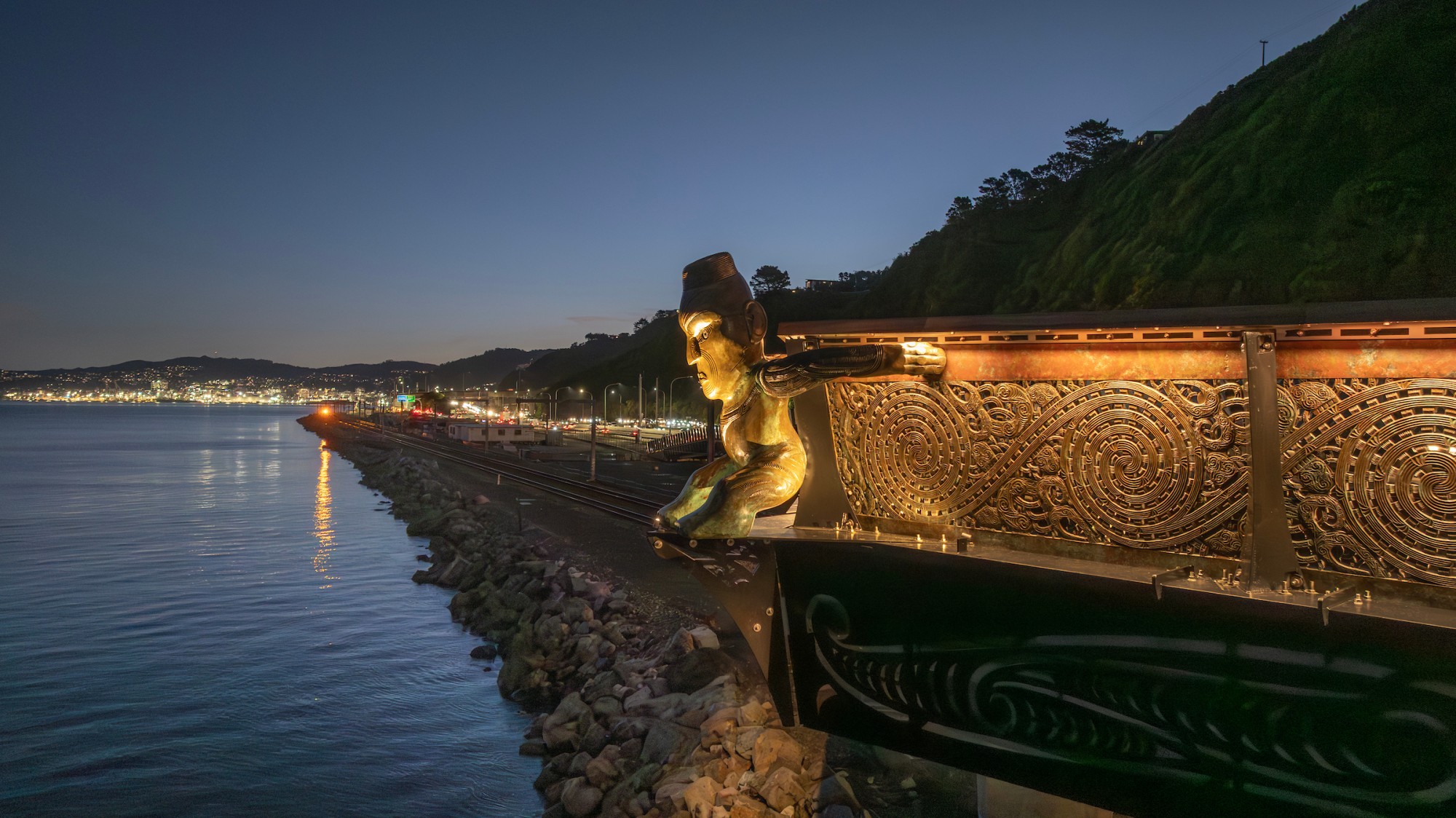
A common approach to landmark infrastructure is to make it brighter. However, effective cultural lighting design is not always about adding more light. Often, it is about understanding what should be illuminated and what should remain in shadow.
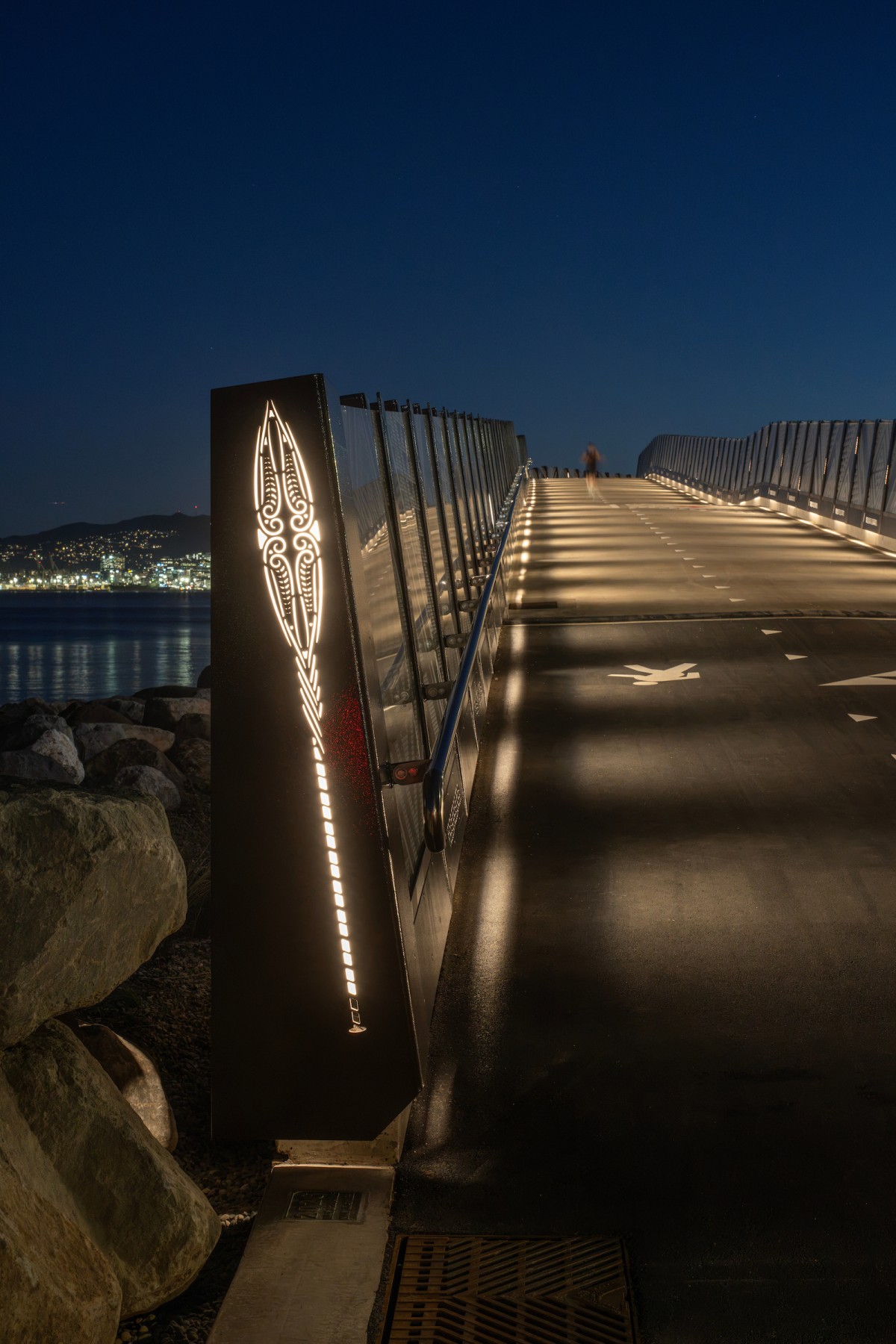
For Te Mātarae o Wharepouri Bridge, the lighting design was developed to work with the architecture rather than compete with it. Instead of relying on conventional pole lighting or highly visible feature lighting, illumination was integrated into the bridge itself. This allowed the bridge's form, cultural design elements and artwork to become the focus, enabling the stories embedded within the structure to remain legible after dark.
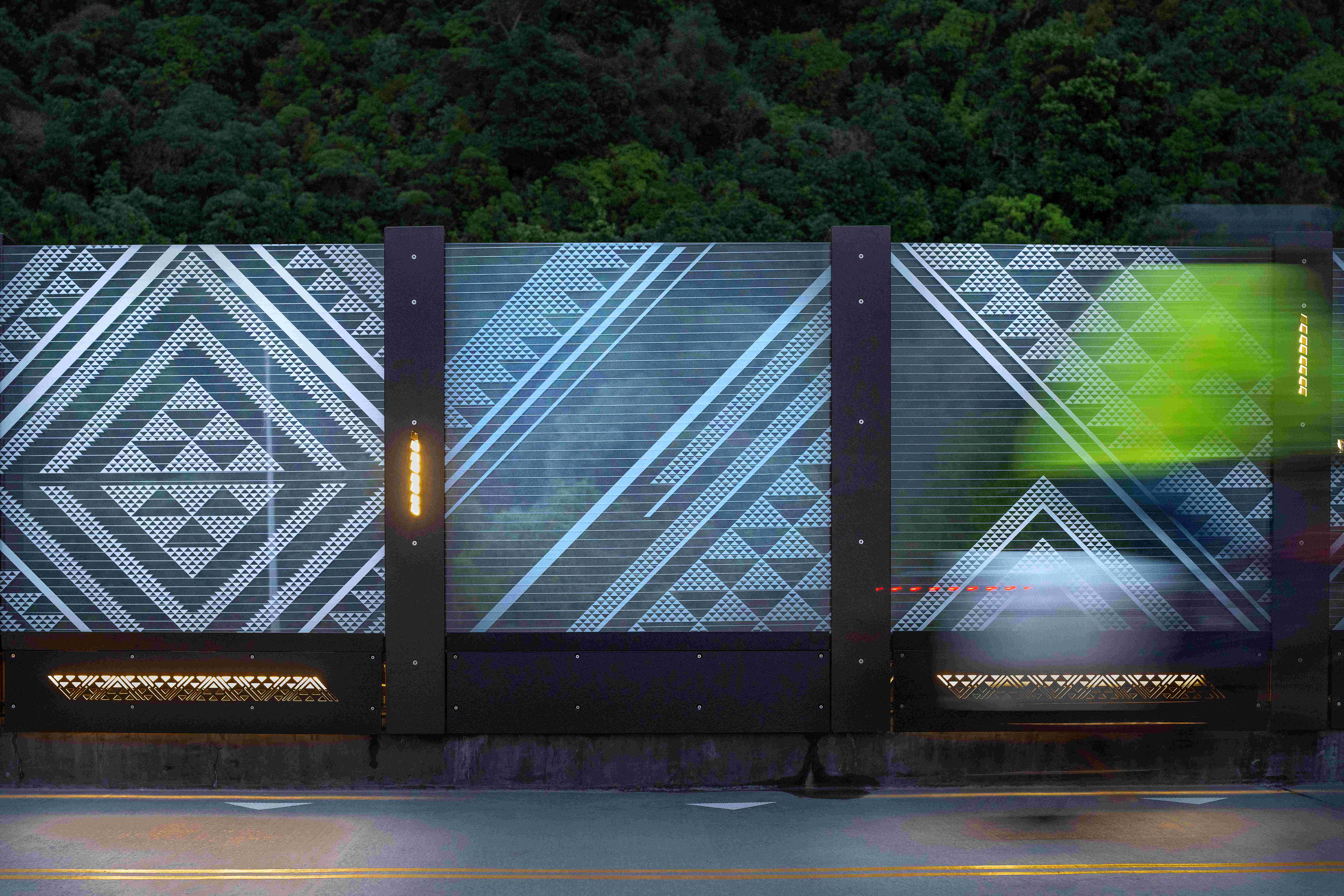
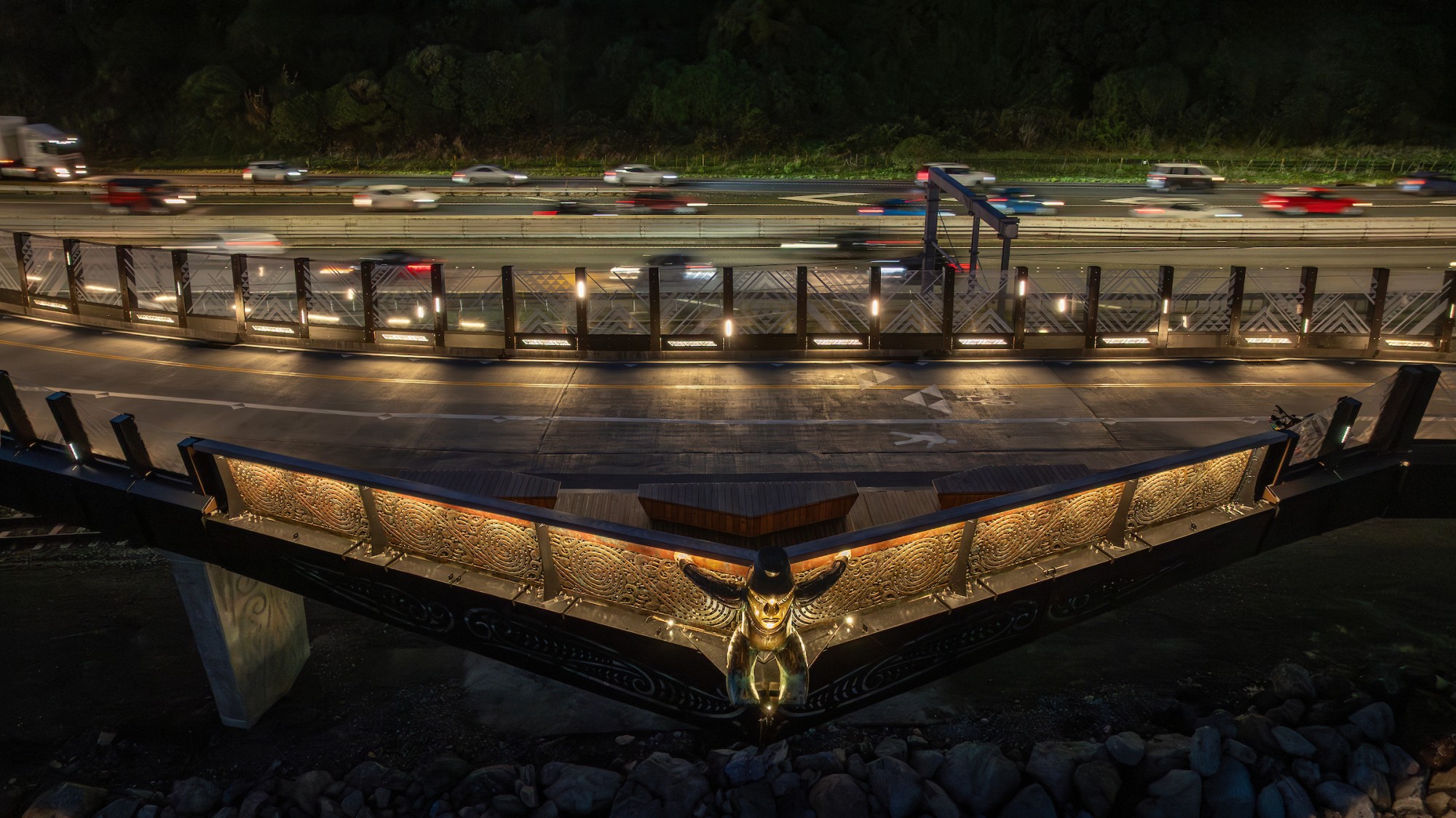
Not every element of a project needs equal attention. An important part of lighting design is understanding where people should be drawn and what aspects of a story deserve emphasis. At Te Mātarae o Wharepouri Bridge, carefully integrated lighting highlights key architectural and cultural features, including the bronze tauihu sculpture of Te Wharepouri and the detailed prow elements that define the structure's identity.
By selectively revealing these moments, the lighting helps reinforce the narrative of the bridge while creating points of interest and discovery for people moving through the space.
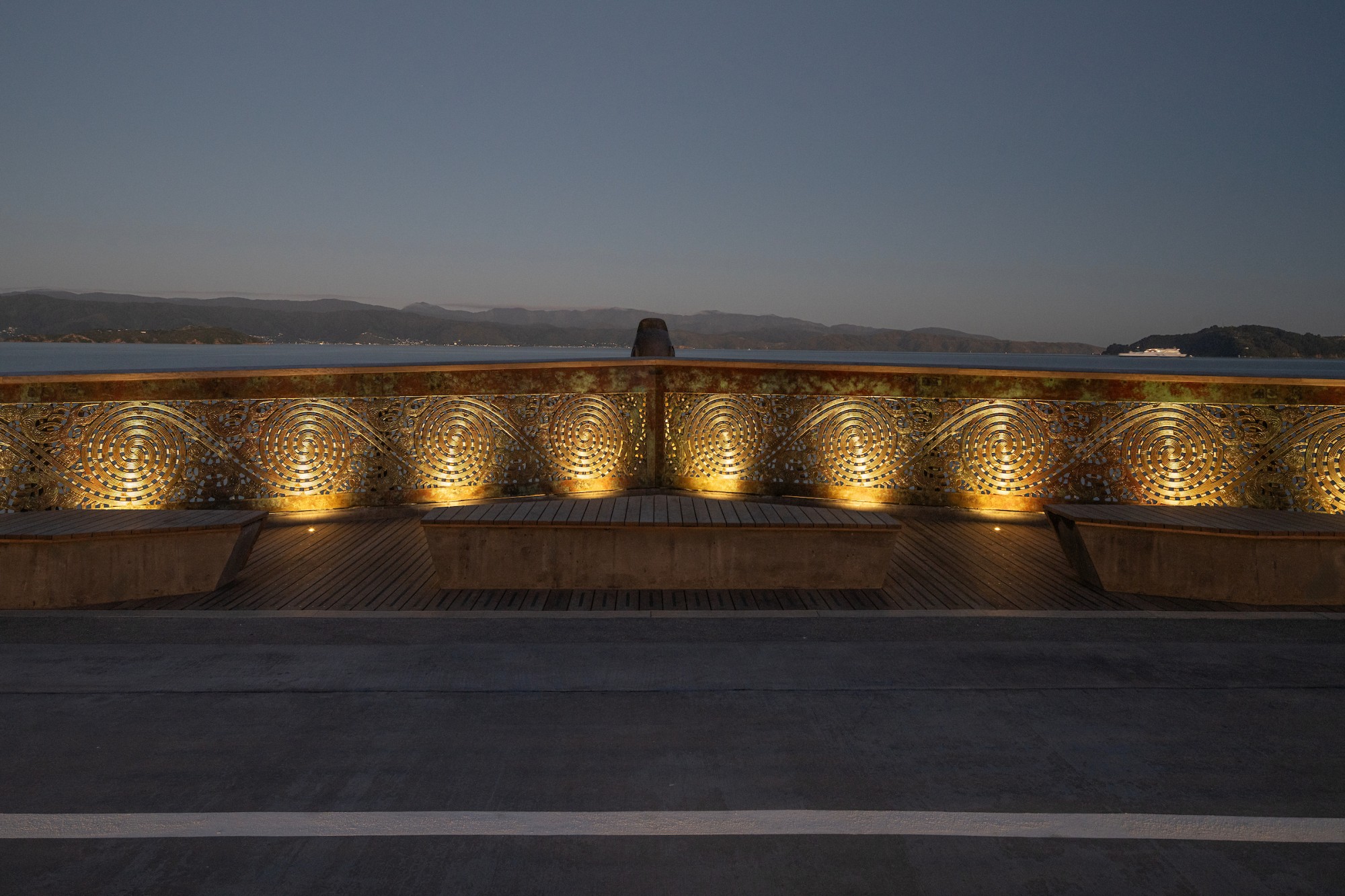
While cultural storytelling was an important driver, the bridge remains critical transport infrastructure. The lighting design therefore needed to provide safe, comfortable illumination for pedestrians and cyclists crossing above the adjacent rail corridor. Visibility, wayfinding and visual comfort were all carefully considered alongside the project's cultural aspirations.
The result demonstrates that infrastructure lighting does not need to choose between safety and storytelling. With thoughtful integration, both objectives can be successfully achieved within the same design.
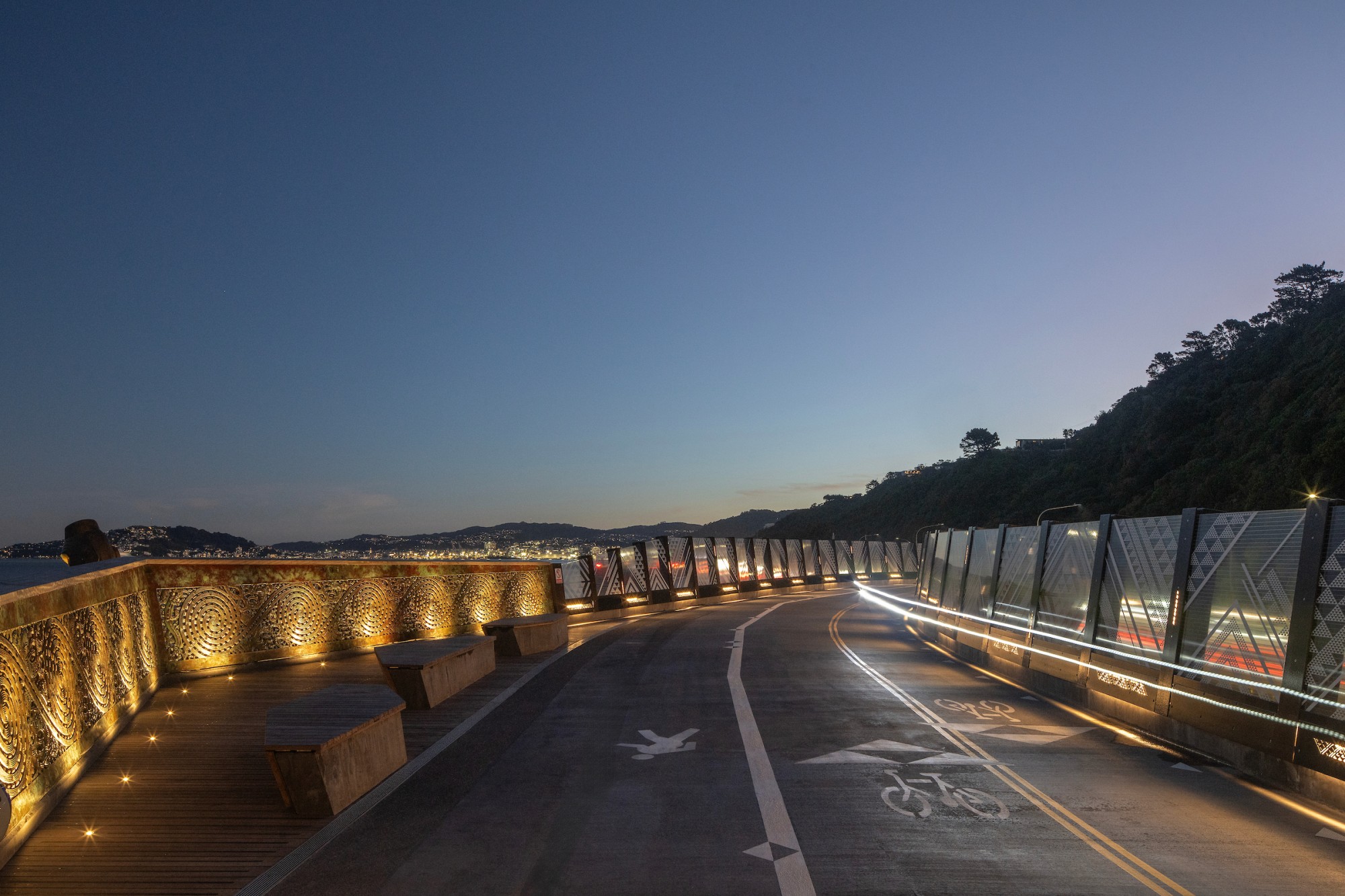
Te Mātarae o Wharepouri Bridge demonstrates how lighting can contribute to the identity of a place rather than simply illuminating it. By working alongside architecture, artwork and cultural narratives, lighting helps extend the bridge's story beyond daylight hours and strengthens its role as a landmark within the wider Te Ara Tupua journey.
For public infrastructure projects, this approach offers an important lesson: when lighting is considered as part of the overall design story, it can help create places that are not only functional, but memorable and meaningful as well.
Got a lighting project in mind? Reach out to our team today