Scope & equipment:
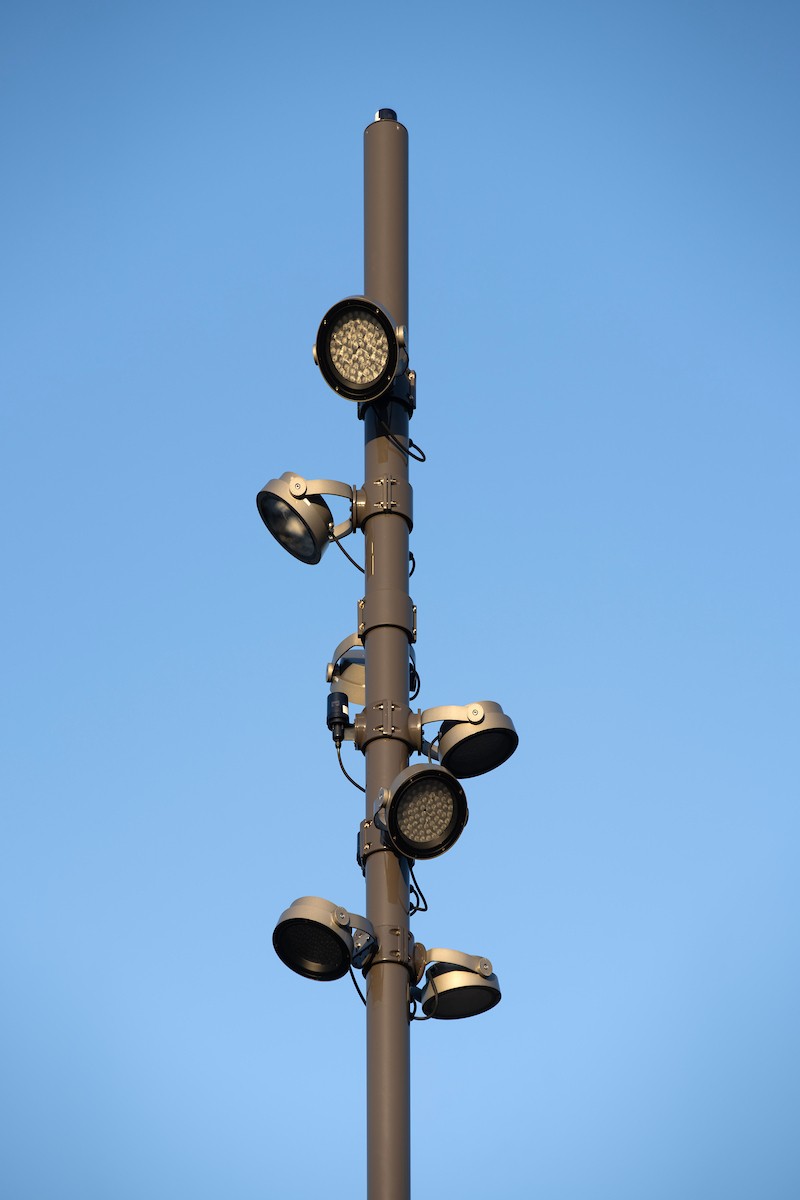
Smart poles: 9 m and 12 m with iGuzzini Agora projectors
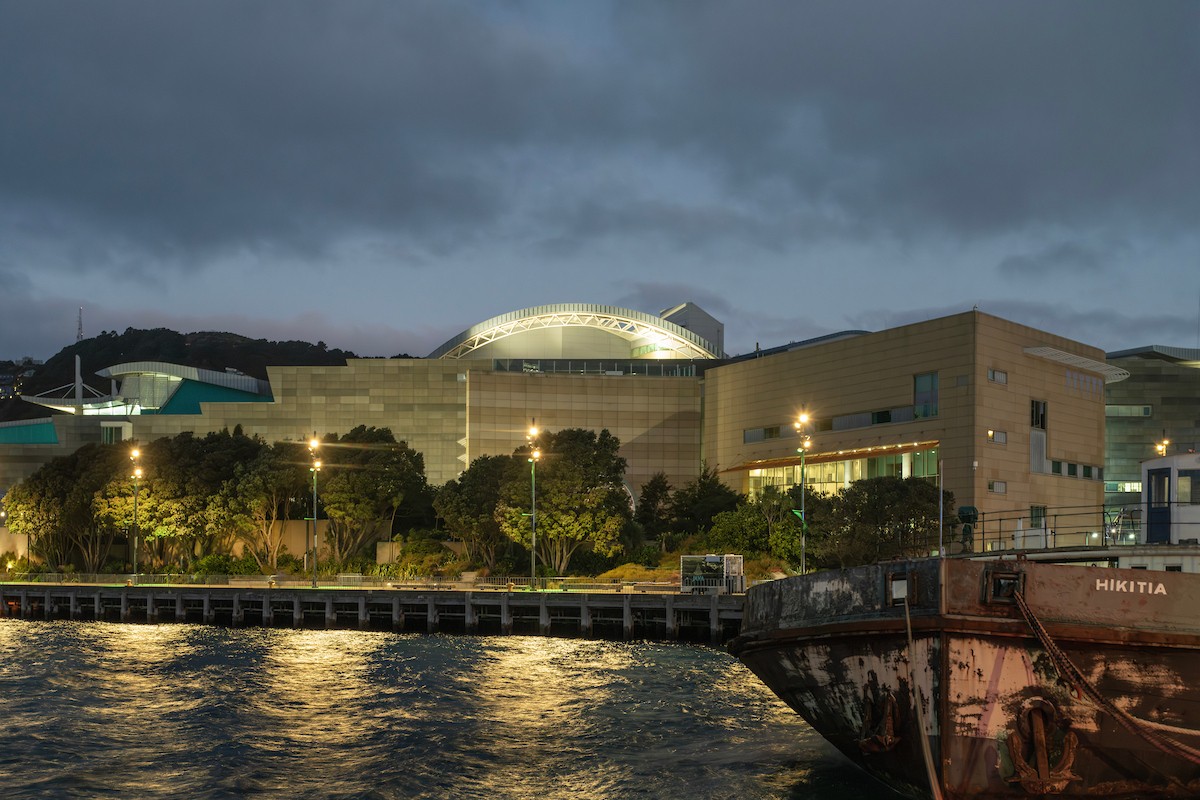
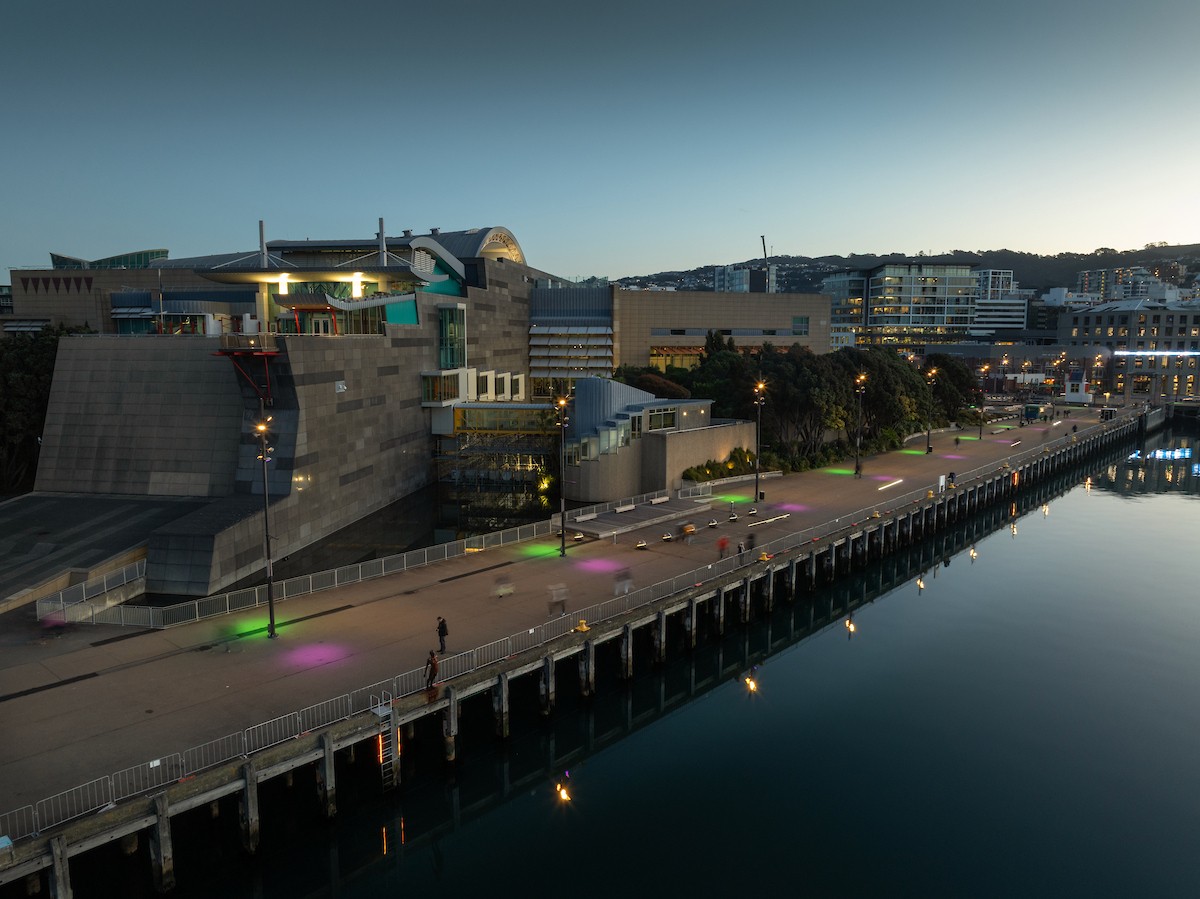
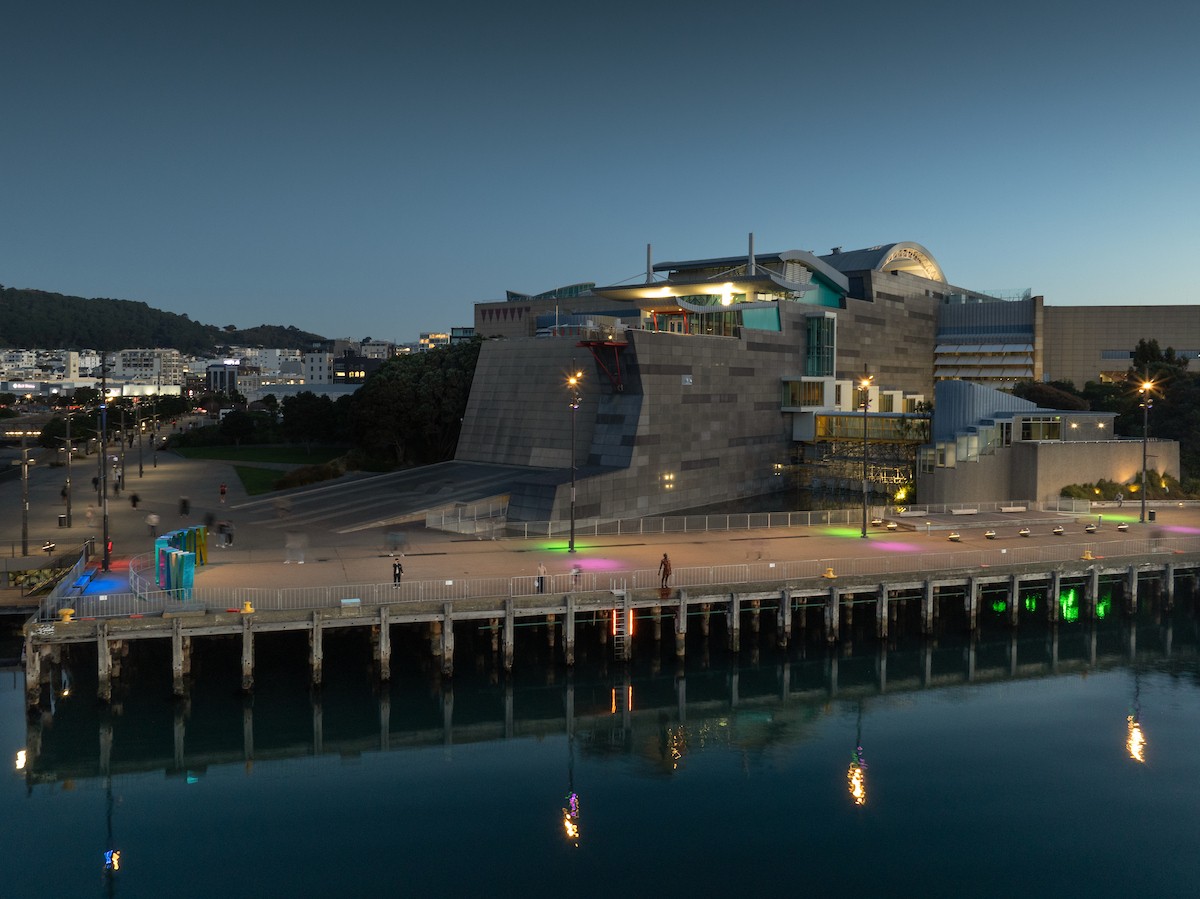
Deployments: Tug Wharf — 3 × 12 m and 6 × 9 m poles; Taranaki Street Wharf — 7 × 12 m poles; Te Papa Promenade — 12 × 12 m pole
Controls: Casambi wireless; DMX for RGBW scenes; three separated networks for white light, RGBW colour, and event power
Baseline performance: Meets AS/NZS 1158.3.1 subcategories PA1 and PP1 at ~40% output in normal operation, with 100% available for events/emergencies
Wellington City Council (WCC) launched a waterfront lighting improvement programme with a solution that needed to:
Optimise visibility along promenades and edges where land meets water
Provide warm (≈3000 K), low‑glare lighting and respect cultural/heritage context
Support multi‑functional city life—events, gatherings, and everyday use
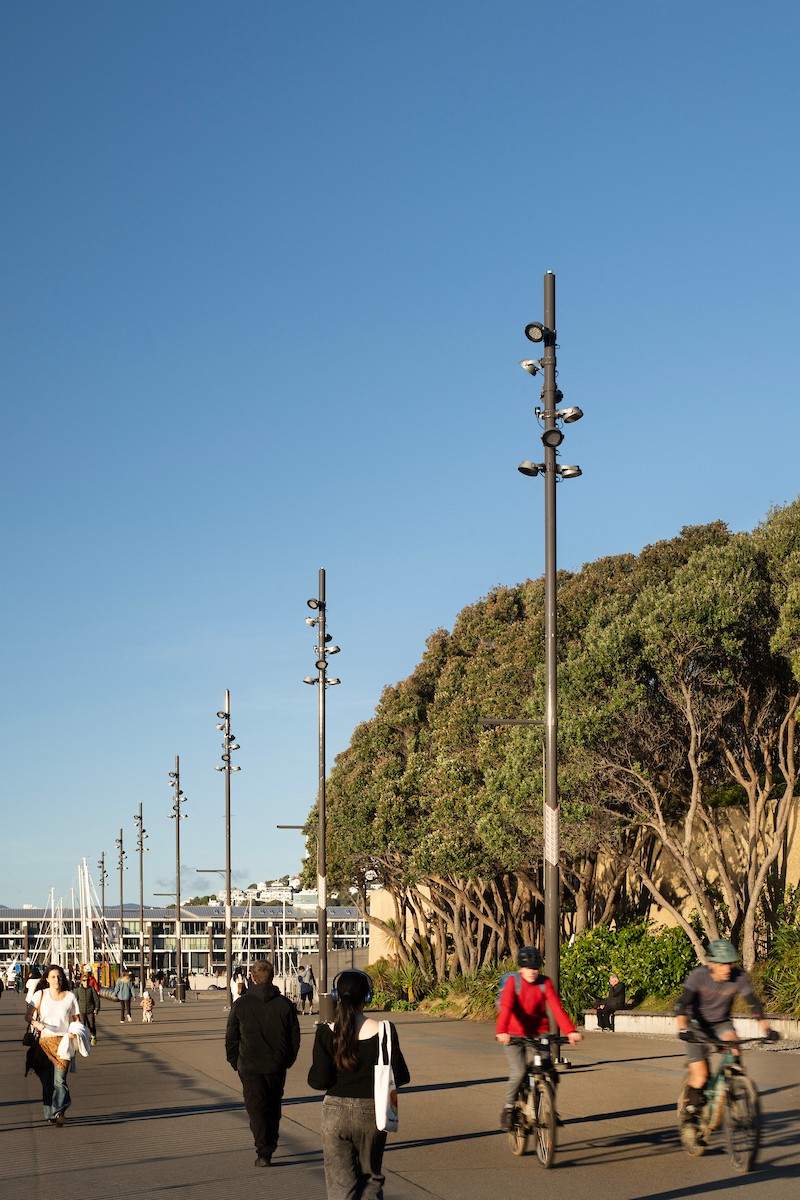
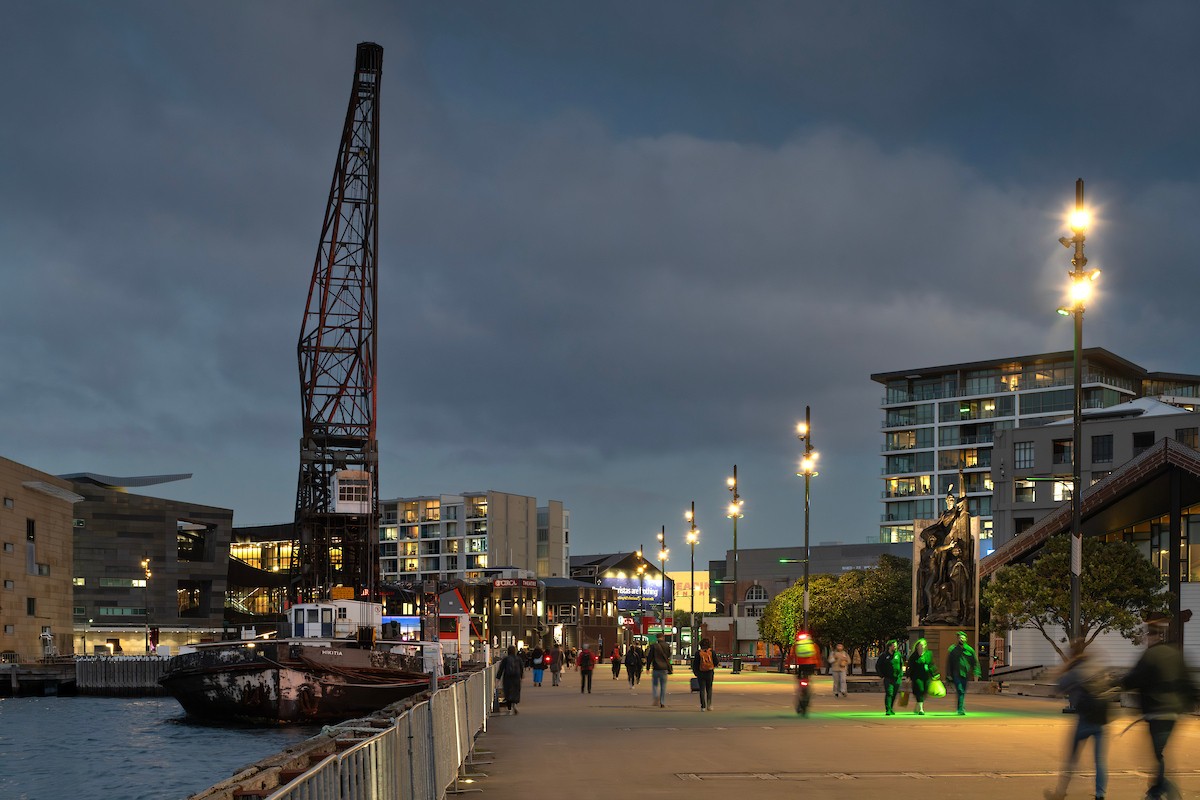
Patchy illumination and uneven experiences reduced night‑time confidence, especially along wharf edges and high‑use promenades. The Waterfront acts as the city’s outdoor living room, with constantly changing flows—commuters, strollers, cyclists, event audiences. Lighting needed to be flexible, legible, and human‑centred.
A smart‑enabled pole platform was developed that orchestrates ambient luminescence, focal glow, and play of brilliants (after Richard Kelly’s principles of light) to shape space, reveal faces, and celebrate features—while keeping glare controlled and the dark sky respected.
Tiered pole heights and precise aiming (≤40° tilt) project light up to 12 m to the wharf edge without exceeding discomfort glare indices. Modular two‑piece clamps + adapter plates allow off‑axis rotation to paint light exactly where needed—including statues, signage, and previously under‑lit areas. Separated Casambi control networks protect safety‑critical white light while enabling colour creativity and event‑power control.
During Homegrown (Mar 2025), we tuned light levels scene‑by‑scene—creating dark zones for stages while maintaining safe promenades and wharf‑edge visibility. Vendors powered directly from poles; RGBW scenes elevated the festival atmosphere.
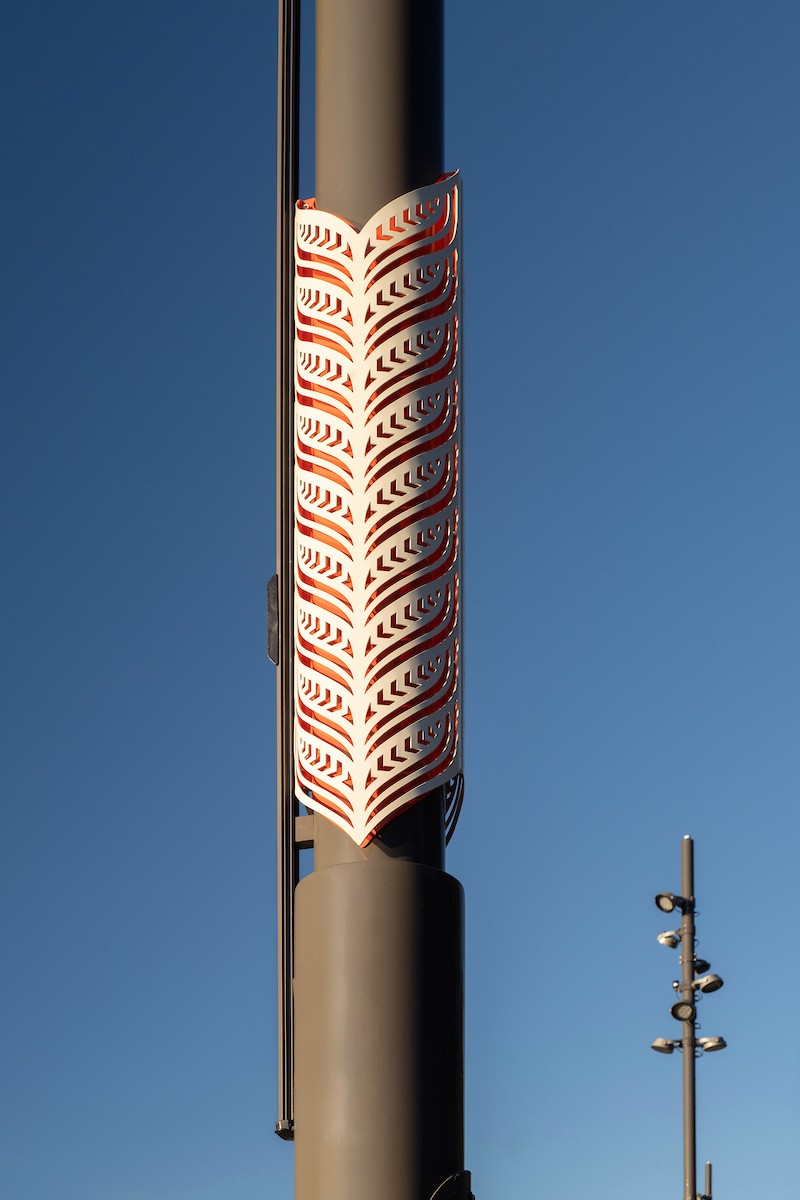
A co‑design process with Mana Whenua ensured the installation honours the site’s narratives. Cultural sleeves by designer Len Hetet, fabricated by Human Dynamo Workshop, give the smart poles a visible identity—art meeting infrastructure in the heart of the city.
What’s changed on the ground:
Residents feel safer walking at night; Te Papa security reports significant visibility improvements
The promenade invites longer dwell times and evening activity
The system supports themed moments (Matariki, St Patrick’s Day, charity activations like Live Ocean Day, and major fixtures) with quick colour and level changes
“We genuinely believe we have lifted public safety through improved lighting… event managers love the controllability and that each light pole can support other infrastructure.” — Shane Binnie, Waterfront & City Parks Manager, WCC
“Under event conditions, the new posts offer considerable possibilities… individual fixture control enhances artworks without compromising ambient safety; integrated power reduces cabling hazards.” — Steve Sanders, Project Manager, Grouse Lighting Aotearoa