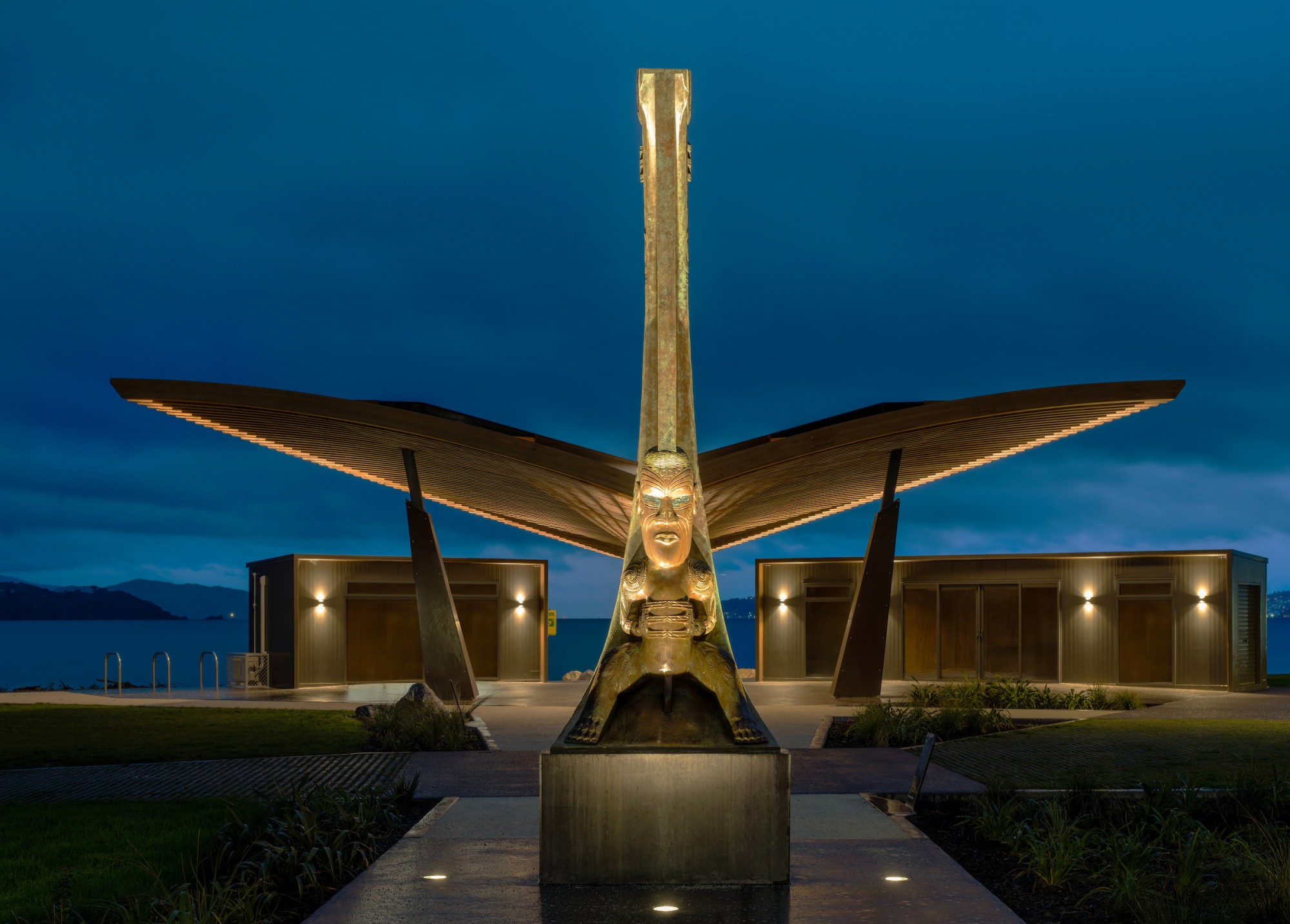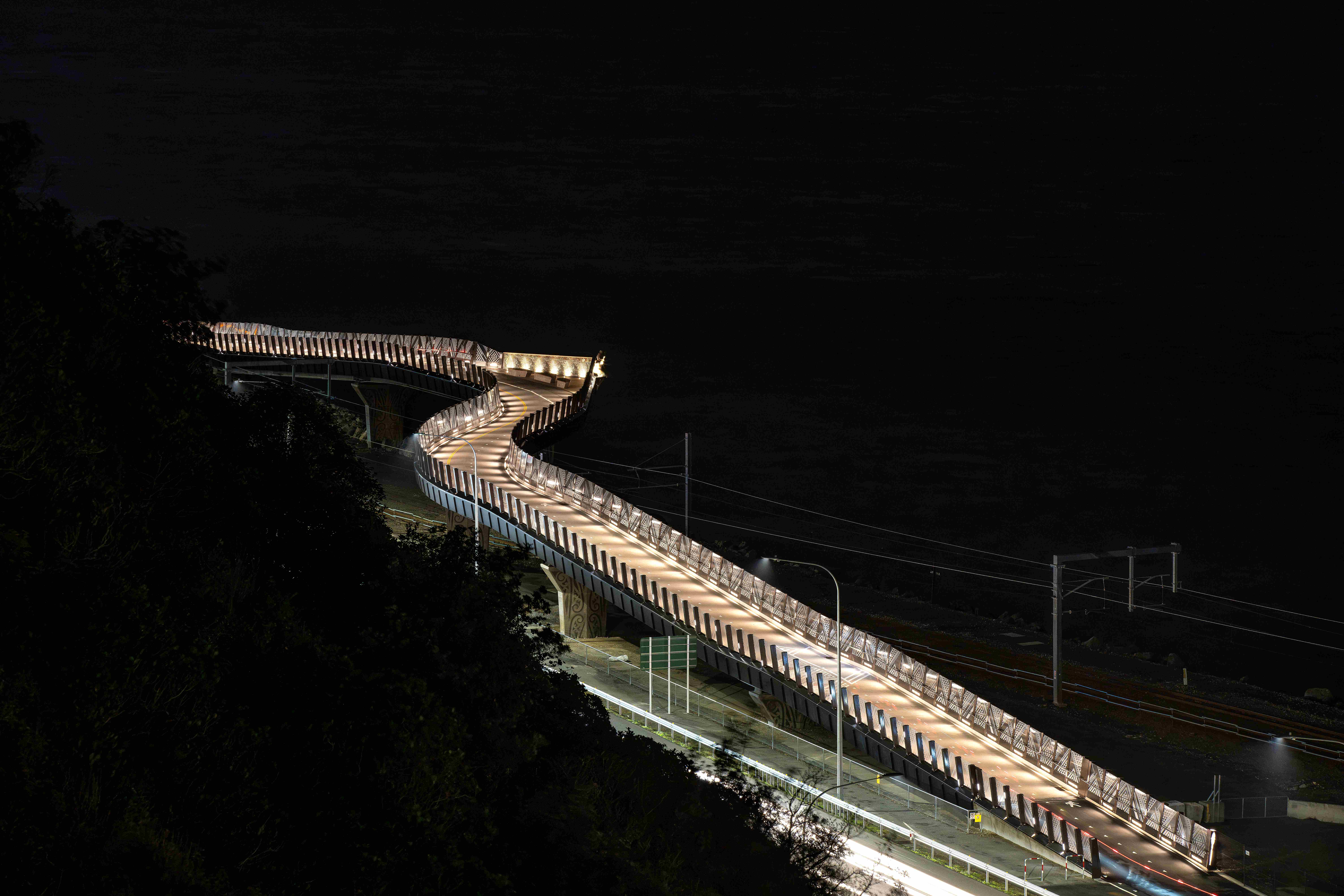
The project includes five Ūranga, Te Mātarae o Wharepouri Bridge and Honiana Te Puni Reserve, each presenting unique opportunities and challenges for the lighting design. Across every element of the project, the lighting needed to balance safety, accessibility and visual comfort while responding to the cultural, environmental and community aspirations of the wider project.
Particular consideration was given to protecting the harbour environment and supporting Dark Sky principles, minimising light spill and potential impacts on coastal wildlife while maintaining a safe and welcoming experience for pathway users. The lighting design also needed to carefully manage visibility and glare alongside the adjacent rail corridor, ensuring the safety of train operations.
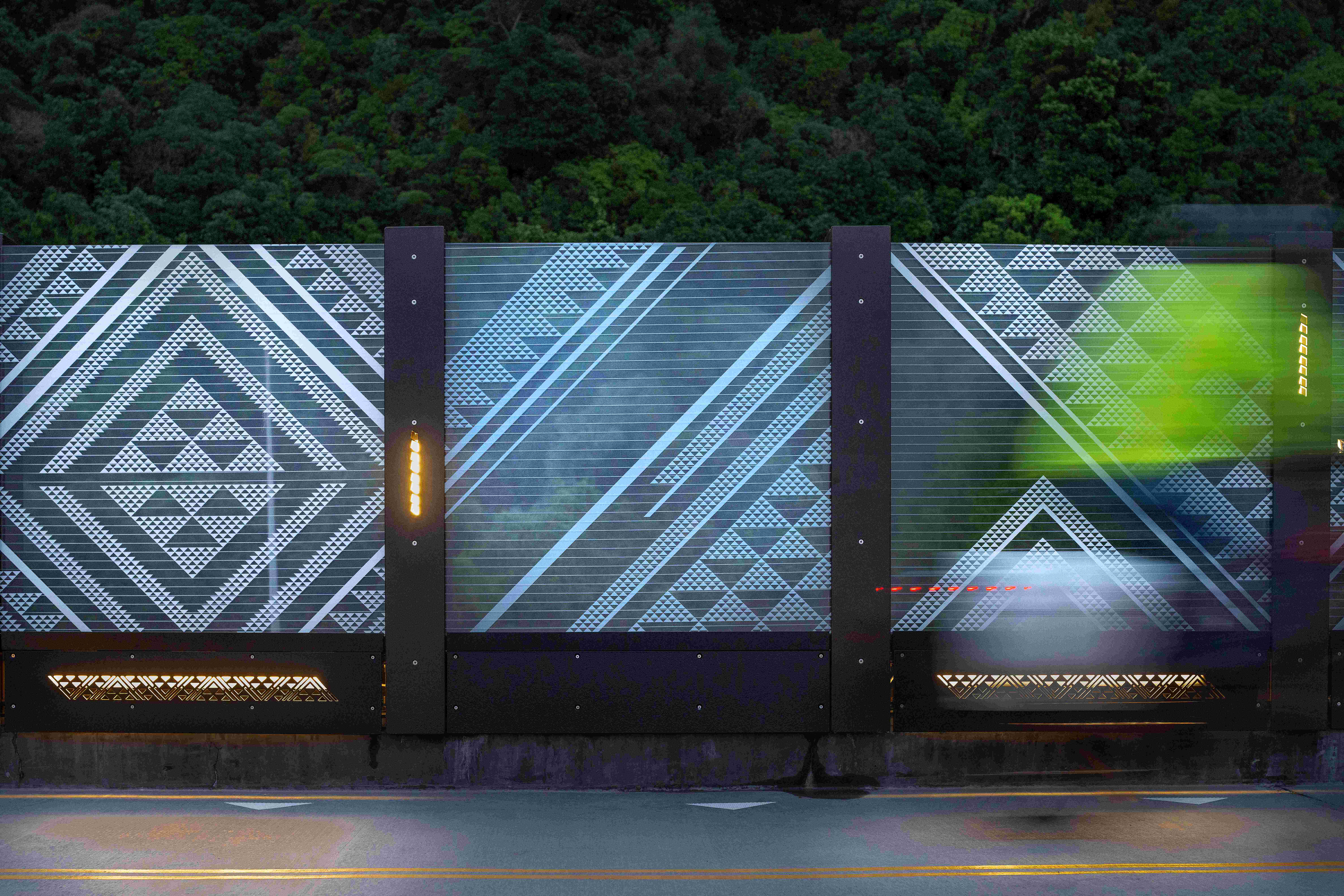
Lighting plays an important role in the success of public infrastructure projects. Beyond providing visibility, thoughtful lighting design helps create environments that feel safe, comfortable and welcoming for people moving through them after dark.
For shared pathways such as Te Ara Tupua, lighting supports wayfinding and accessibility, encourages ongoing community use and helps strengthen connections between people and place. It can also contribute to the character and identity of a project, highlighting key destinations, celebrating cultural narratives and enhancing the overall user experience.
At Te Ara Tupua, the lighting design was developed to support the pathway's broader vision, which extends beyond being a mere transport route. The result is an environment that encourages people to walk, cycle, gather and experience Wellington Harbour in new ways throughout the day and into the evening.
The pathway has already proven its value to the community, with more than 85,000 people using Te Ara Tupua since opening. This strong uptake demonstrates the importance of creating connected, accessible infrastructure that encourages active transport while enhancing public access to the harbour edge.
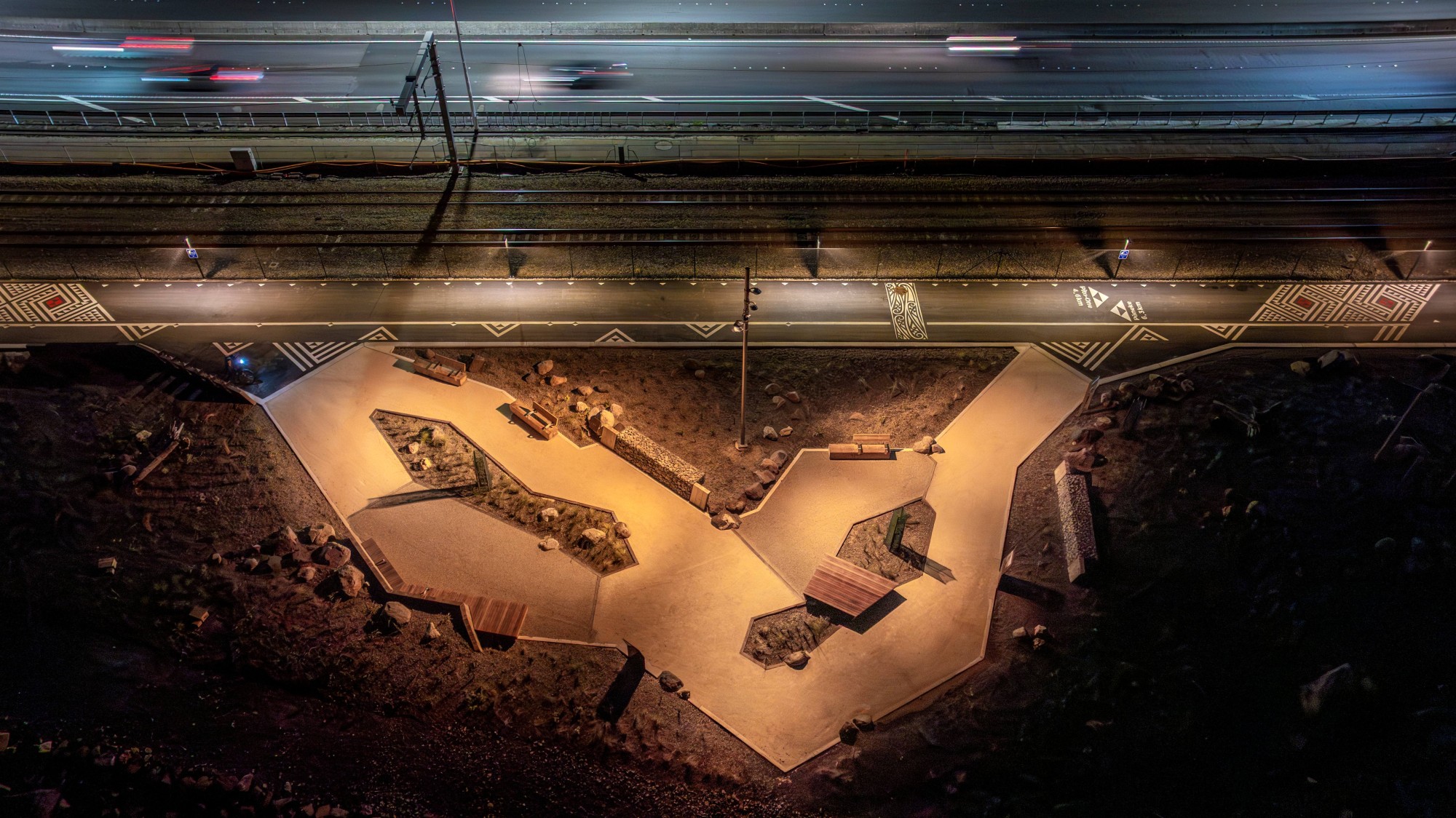
Over the coming weeks, we'll take a closer look at three key aspects of the lighting design for Te Ara Tupua through a series of project case studies:
Shared Pathway and Ūranga Spaces:
Exploring how lighting supports safe and comfortable movement along the shared pathway while responding to the unique coastal environment. This case study will examine the balance between accessibility, Dark Sky principles, environmental sensitivity and the need to minimise impacts on adjacent wildlife habitats and rail operations.
Te Mātarae o Wharepouri Bridge:
Examining the lighting design for the southern gateway to Te Ara Tupua and how illumination has been integrated into the bridge's cultural narrative, architectural form and key destination points. We'll explore how lighting helps reveal the waka-inspired design, guide users safely across the bridge and celebrate the stories embedded within its structure.
Honiana Te Puni Reserve and Key Destination Areas:
Looking at how lighting helps define places for gathering, arrival and connection along the harbour edge. This case study will explore the role of lighting in supporting wayfinding, enhancing the night-time experience and strengthening the identity of key public spaces within the wider Te Ara Tupua journey.
Te Ara Tupua demonstrates how thoughtful lighting design can help infrastructure projects become more than a means of moving from one place to another. By supporting safety, strengthening identity and enhancing the user experience, lighting plays an important role in creating places that people want to use and return to.
S&T Lighting is honoured to have contributed to a project that will connect communities, celebrate culture and enrich the Wellington region for generations to come.
Explore the Te Ara Tupua projects here